
PPC Revisiting the Past
April 01, 2008 10:42 pm
-
A Brief History
The Spaniards founded the settlement on March 4, 1872. An expedition of Spanish colonizers headed by Don Jose Sostao together with over 300 settlers arrived on that momentous day at the Bay of Asuncion, known today as Puerto Princesa bay. The Spaniards considered the site most ideal for a new capital, a strategic location at the center of the island province.
In 1894, the Spanish government recognized Puerto Princesa as one of the most beautiful towns in the country for its clean and orderly community.
The American administration established a municipal government in 1902, and in 1911 Puerto Princesa was declared the seat of the provincial government. The Japanese occupied Puerto Princesa in 1942, during the Second World War. It was liberated from Japanese occupation by the United States army in 1945.
Puerto Princesa was officially converted into a city on January 1, 1970 by virtue of republic Act 5906.
Historical
Princess Eulalia Park
It features the statue of a princess whom the park was named and a memorial marker as a perennial remembrance to the founders of Puerto Princesa. It is the site where the decree of the foundation of Puerto Princesa was proclaimed by Captain Don Jose Sostao, head of the Spanish expedition, on March 4, 1872 amid salvos of gunfire.
Immaculate Conception Cathedral
On March 10, 1872, six days after the Spanish expedition arrived in Puerto Princesa, the first mass was celebrated by Rev. Exequiel Moreno in the same place where the cathedral no stands. He later erected the parish under the patronage of Our Lady of the Immaculate Conception.
It took almost a century though before the present cathedral was built, in 1961, under then bishop most Rev. Gregorio Espiga. The interesting angular structure departs from the conventional religious architecture of most churches in the country.
Arts
Palawan Museum
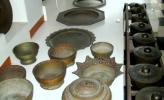
The Museum is a repository of Palawan relics and artifacts. A must-see for the visitors is the artifacts unearthed from the Tavon Caves including the skullcap of the remains of a caveman carbon dated back to the early Paleolithic era or about 22,000 years ago internationally recognized as evidence of earliest Filipinos, and the Manunggul burial jar of the late Neolithic period with the covers that features the ship of the dead with two oarsman-declared a National Cultural Treasure
Galeri kamarikutan
This art gallery cum café promotes the city’s rich cultural heritage by featuring ethnic crafts and culture through monthly arts exhibits and performance, and welcomes “just about anyone who appreciates nature-based philosophy”, The sprawling property also showcases Palawan’s endemic orchids and forest trees.
Weaving Centers
Visit Rurungan sa Tubud weaving center and see how fabrics are woven in traditional Philippine looms. Its in-house store showcases finely hand woven piña fabrics, fashion and home accessories, hand crafted baskets and mats .
The Binuatan creations make use of materials from indigenous grasses and plants , handwoven and design into a colorful table runners, placemats, window blind, wall decors, bags and other work of art.
Palawan State University Museum
A learning resource Center features a museum within the campus of the first State University in the Southern Tagalog Region. The museum contains archeological artifacts and prehistoric diggings which includes fossils and crude tools of ancient man.
The Princess of Ports
Origin of the Name
The Puerto Princesa is attributed to the geographical advantages of the place as a seaport. Nestled inside the beautiful Puerto Princesa Bay, the city’s seaport is naturally protected from inclemencies of weather all tear round and its sufficient depth allows ships of all sizes to anchor, truly a ‘princess of ports’ as the Spanish colonizers saw it.
History, however, signifies that the name Puerto Princesa was given in honor of Princess Eulalia of Spain, born in 1864 to the reigning monarch Queen Isabella 11 and her consort, Dr. Francisco de Asis. When the Princess suffered the untimely death, the Queen renamed the place to Puerto de la Princesa which was eventually reduced to Puerto Princesa as it is known today.
Legend attributes the name Puerto Princesa to a Princess- like maiden of rare beauty who is said to roam around the bay during moonlight nights.
CULTURE
Ethnographic Museum
Within the bounds of the Puerto Princesa Subterranean River National Park are the ancestral domains of the indigenous communities of the Bataks and Tagbanuas. Their rich cultural heritage is featured at the Ethnographic Site Museum within the Park Visitor Center in Barangay Cabayugan. It is an interesting showcase of the customs and way of life of the two distinct ethnic groups.
The Tagbanuas are one of the few remaining ethnolinguistic groups in the Philippines that use a type of syllabic writing in the country prior to the coming of the Spaniards. This system of writing has been declared in 1999 by UNESCO as “Memory of the World”.
A school for Living Tradition supports the preservation of indigenous culture of the two tribes primarily their songs and dances. The Pagdiwata of the Tagbanuas is performed by a babaylan for thanksgiving or an appeal to the gods to heal the sick, which similarly is Sagda among the Bataks. The Lambay signals the start of the hunting and gathering season, while Tarek is the war dance of the Bataks.
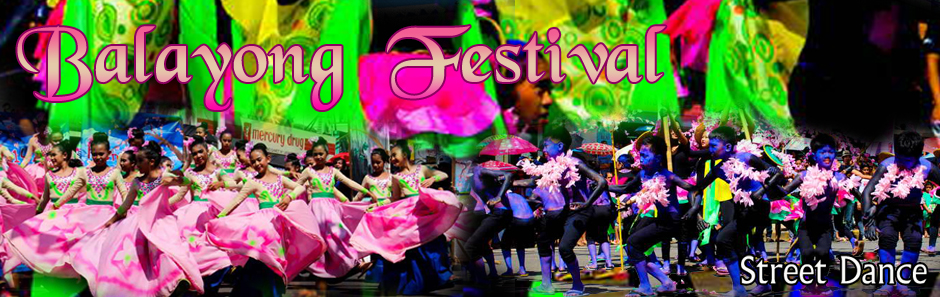
Part of the Puerto Princesa cultural scene is a blend of the ethnic dances, native Cuyunon songs and contemporary music presented by most cultural groups and local performers in the city such as the SINIKA and Pangkat Kalinangan.
Wildlife Ecotours
Palawan Wildlife Rescue and Conservation Center Crocodile Farm and Nature Park
Enjoy a wildlife ecotour as you visit this facility that works to conserve the two endangered species of crocodiles found in the Philippines, the saltwater crocodile and the endemic Philippines fresh water crocodile. See for real these cold blooded animals and get to know survivors the facts about these species of reptiles, the only known survivors of the Dinosaur Age. It would be interesting as well to learn the economic importance of crocodilians.
There is a Nature Park that shelters animals found in Palawan, some are rare and endangered species like the elusive Palawan Bear Cat, the raucous Talking Mynah, the colorful Nicobar Pigeon and Palawan Peacock Pheasant.
Palawan Butterfly Garden
See live colorful and interesting species of Palawan butterflies that closely resemble those found in Malaysia and other Southeast Asian Nations. Visitors will be delighted to see butterflies in the various stages of its life cycle, and to find themselves surrounded by a myriad of fluttering butterflies within a natural setting.
GETAWAYS
Go East Coast-Alluring Charm
The beaches in the east coast of the city draw a characteristic charm, exuding perfect calm for quiet reflections or just sheer relaxation. The pristine beaches and tranquil resorts at San Rafael and Concepcion is for the beach bum, or for those who simply need a brak and restful vacation.
Tagbarungis and Kamuning beaches southeast of the city possess a parallel beauty, with wide expanses of powdery sand and clear waters within a tropical setting of coconut tress. Putting Buhangin Beach along Turtle Bay is another getaway place for beach lovers.
Day Jaunts at the Beach
For a day of family outing, group excursions, or simply for quiet moments by the beach, head off to the more accessible beach sites and picnic areas close to the center of the city. Within easy reach is White Beach in Bancao-Bancao. The sun-kissed white sand beach is also a great place for plain relaxation, swimming or sunbathing.
Along the eastern coast close to the city proper are fine beches where visitors can wind down. Feel the breeze of fresh air as you unwind at Emerald Beach in San Manuel, BM Beach in San Pedro or at Kalayaan Beach in San Miguel. Take a step back from the pressures of daily life and together with your love ones-family, friends of colleagues-enjoy that day in the beach!
NATURE TRIPS
Nature Park Camp Site
For another exciting outdoor escapade, visit the Nature Park in Barangay Salvacion, just an hour drive north of city proper. Nestled amid verdant rolling hills, a few minutes trek from the road will lead visitors to an open Butterfly Garden, a nursery of endemic tree species for reforestation activities and an information center for greater appreciation of world ecosystems and the environment.
The Nature Park doubles as a campsite mostly for the young and active set, where residential programs on basic ecology, conservation and resource management are offered by the Palawan Conservation Corps to youth groups.
Kayasan Village
A place to savor nature’s splendor, Kayasan village offers a magnificent view of the St. Paul mountain karst formation. There are areas suitable for camping, and visitors will have an opportunity for interaction with the friendly community of indigenous peoples consisting of Tagbanuas and Bataks who inhabits this ancestral land. The utter beauty of Babuyan River can also be enjoyed from this side.
The Tagbalay Foundation assists the indigenous cultural communities in developing livelihood options with assistance from the United Nations Development Program. Sustainable community-based ecotourism activities like trekking and camping were introduced through a UNESCO program with the City Government, as well as activities for the preservation of indigenous culture spearheaded by the Department of Tourism.
The Tagbanua and Batak communities likewise undertake activities on wildlife conservation, eco-camp and other ecological concerns with some environmental non-government organizations. Kayasan Village is accessible by trekking 7kms from the road on the way of Sabang.
Home | View Archive | Print this article